Definition:
Irrigation is the process of applying controlled amount of water to plants at needed interval, Irrigation may be define as the process of artificial application of water to the soil or land for the growth of agricultural crops. or we can say that, it is a science of planning and designing a water supply system for the agricultural land to protect the crops from adverse effects of weather.
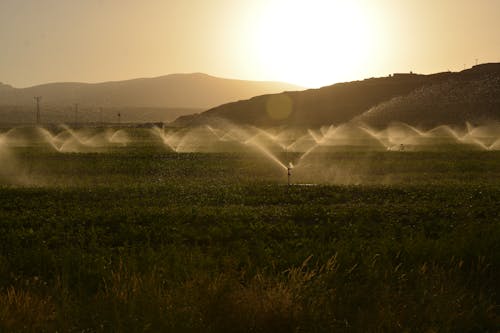
Functions of Irrigation Water:
- It helps to grow agricultural crops, acts as a solvent for nutrient.
- It circulates through plant structure and supplies moisture and nutriment.
- Re-vegetate distributed soils in dry areas and during periods of less than average rainfall.
- Prevent the soil consolidation, It keeps the soil temperature under permissible limits.
- It provides medium for reaction of salts present in the soil to be subsequently absorbed by the roots.
- It dilutes the concentration or washes down the harmful salts from the soil mass.
Advantages:
- Increase in crop yield
- Revenue generation
- Avoidance of mixed cropping
- Protection against famines
- Hydro power generation
- Navigation
Disadvantage:
- Formation of marshy land
- Wastage of irrigation water
- Loss in valuable land
Necessity of Irrigation:
- Less Rainfall: When the total rainfall is less than needed for the crop, artificial supply is necessary.
- Non-uniform Rainfall: The rainfall in a particular area may not be uniform over the crop period. During the early periods of the crops, rains may be there, but no rainwater may be available at the end, with the result that either the yield may be less, or the crop may die altogether. By collection of water during the excess rainfall period, water may be supplied to the crop during the period when there may be no rainfall. Most of the irrigation projects in India are based on this premise.
- Growing a multiple crop during a year: The rainfall in an area may be sufficient to raise only one type of crop during the rainy season (i.e. Kharif crops), for which no irrigation may be required. However, with the provision of irrigation facilities in that area, crops can be raised in other season also (i.e. Rabi crops).
- Growing perennial crops and commercial crop with additional water: Perennial crops such as sugar cane etc, which need water throughout the year, can be raised only through the provision of irrigation facilities in the area.
- Controlled water supply: By construction of proper distribution system, the yield of the crop may be increased because of controlled supply of water.
System of irrigation:

Methods of Irrigation:
- Surface Irrigation
- Subsurface Irrigation
- Micro Irrigation (Drip irrigation)
- Sprinkler irrigation
Source: Wikipedia, YouTube

No comments:
Post a Comment